
News
Events
Medieval spring day
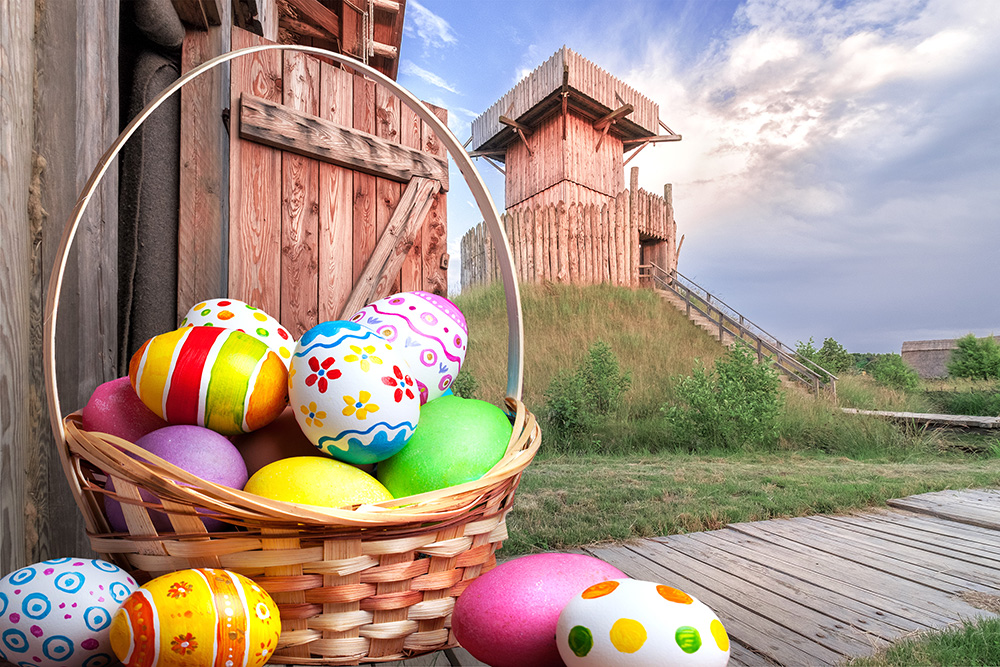
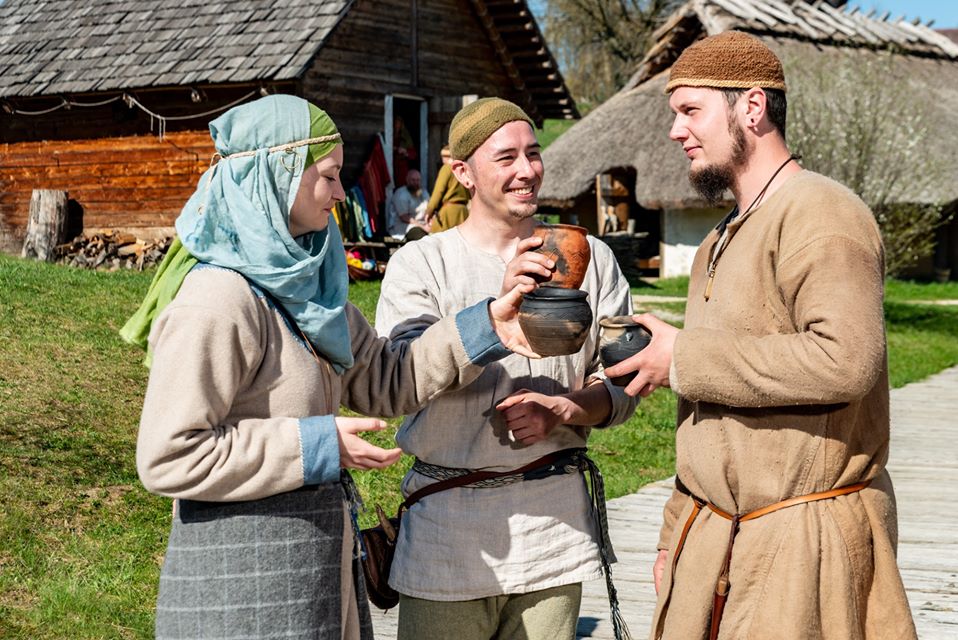
10.04.2023 @ 10:00 – 18:00 – On Easter Monday, we invite all our visitors to celebrate with us the transition from a harsh winter to the long awaited spring. Our reenactors are enjoying the first rays of sunshine and start their crafts outdoors, while the first herbs are starting to grow in the gardens. The history park offers not only insights […]
Family Day
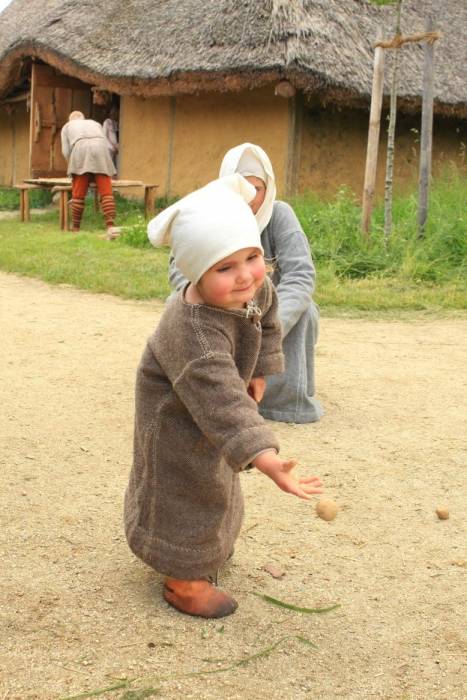
08.09.2019 @ 11:00 – 18:00 – This years family day on 8th of September 2019 again features lots of attractions for young and old guests: bouncy castle, Hotzenplotz or fairytale reading will take place in front of the park. If you are interested in medieval pastimes like bowling, bow-shooting, chess and tric-trac you are very welcome to visit the Geschichtspark as […]
Historical military manoeuvre
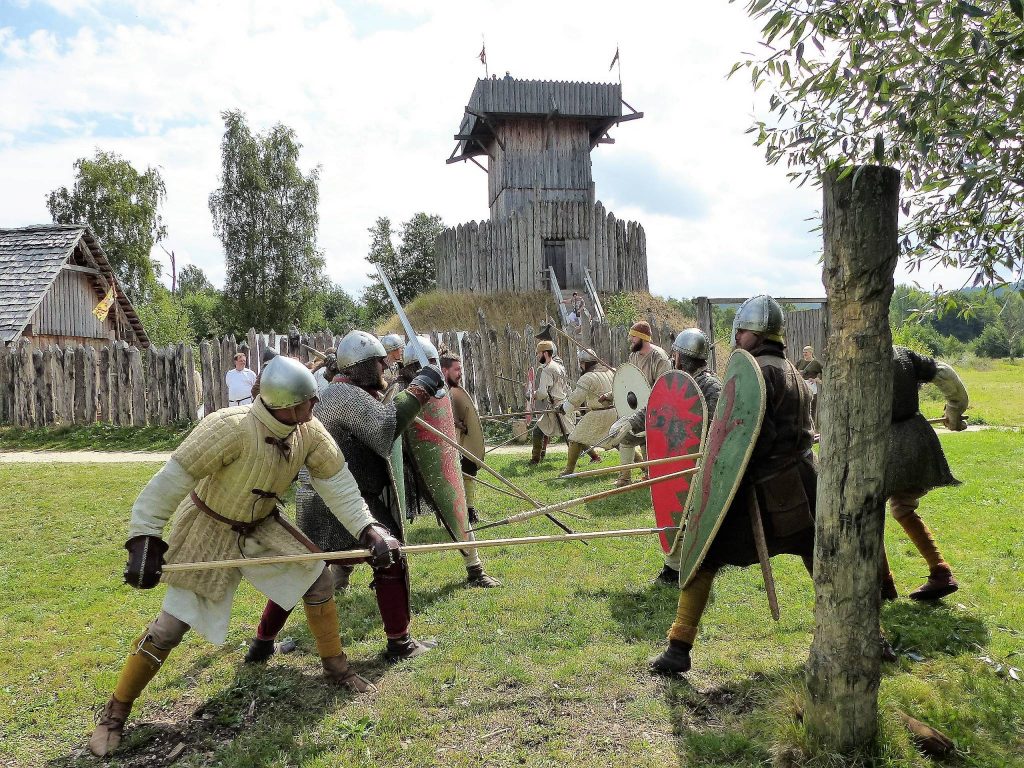
10.08.2019 – 11.08.2019 @ 10:00 – 18:00 – The age of swords and shields, the age of knights and battles: most people have seen these pictures in books and movies, which claim to show medieval times. The historical medieval manoeuvre shows the truth of this: with authentic weapons and gear the real story of war and peace will be told. One thing becomes […]
Historical park
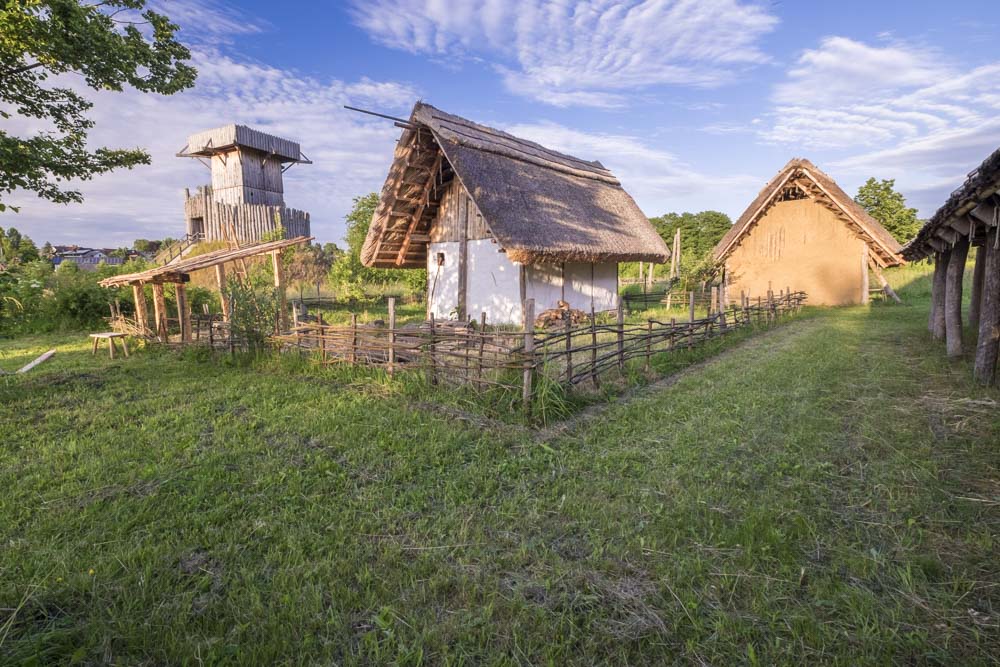
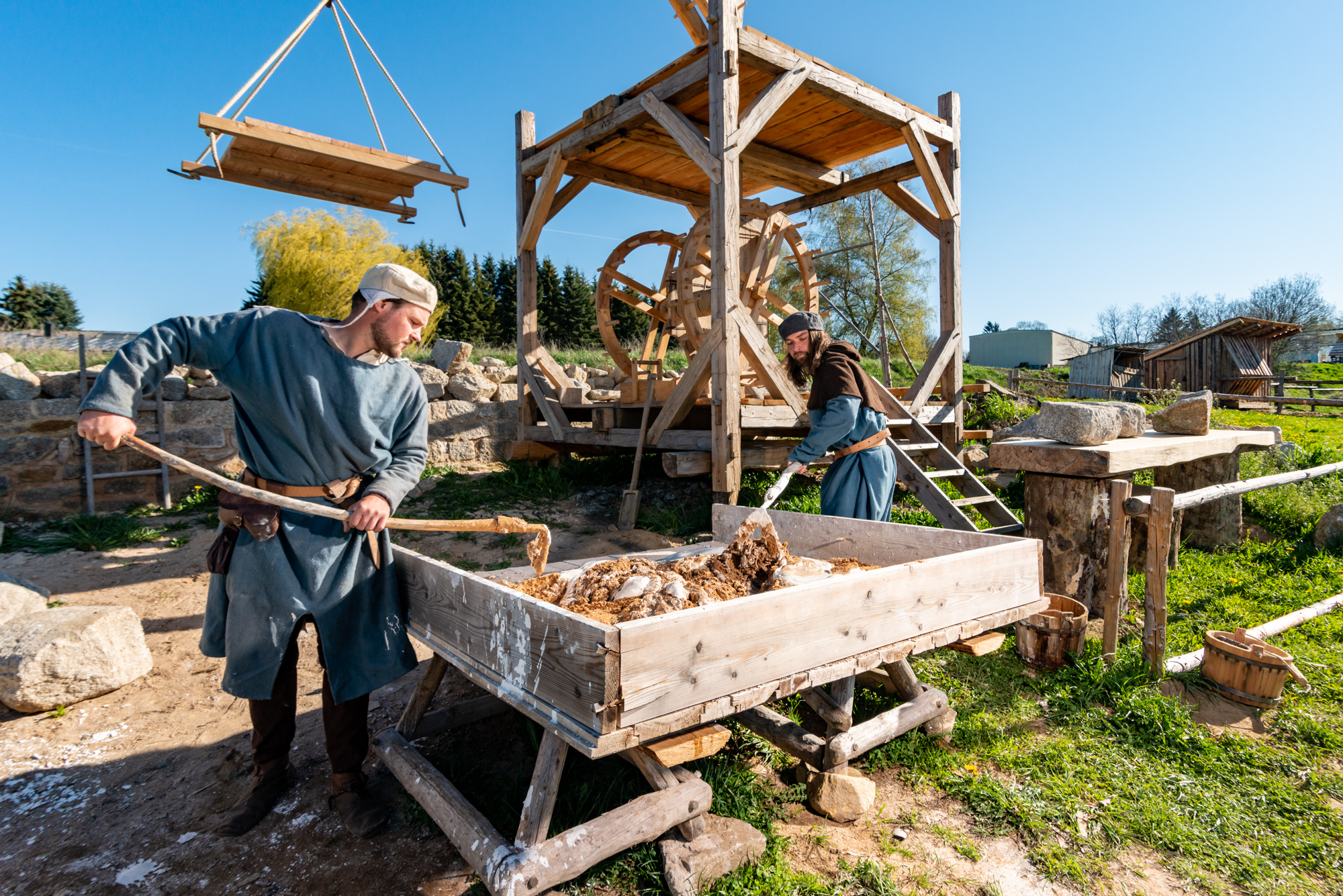
The historical park invites you to travel back in time to medieval life from the 9th to the 13th century. During your tour of our museum village, you will pass through an early medieval Slavic village, climb an impressive tower castle from the 11th century and finally arrive at a medieval settlement. The site is constantly changing and new things are being created. For example, you can look over our shoulder as we build more houses.
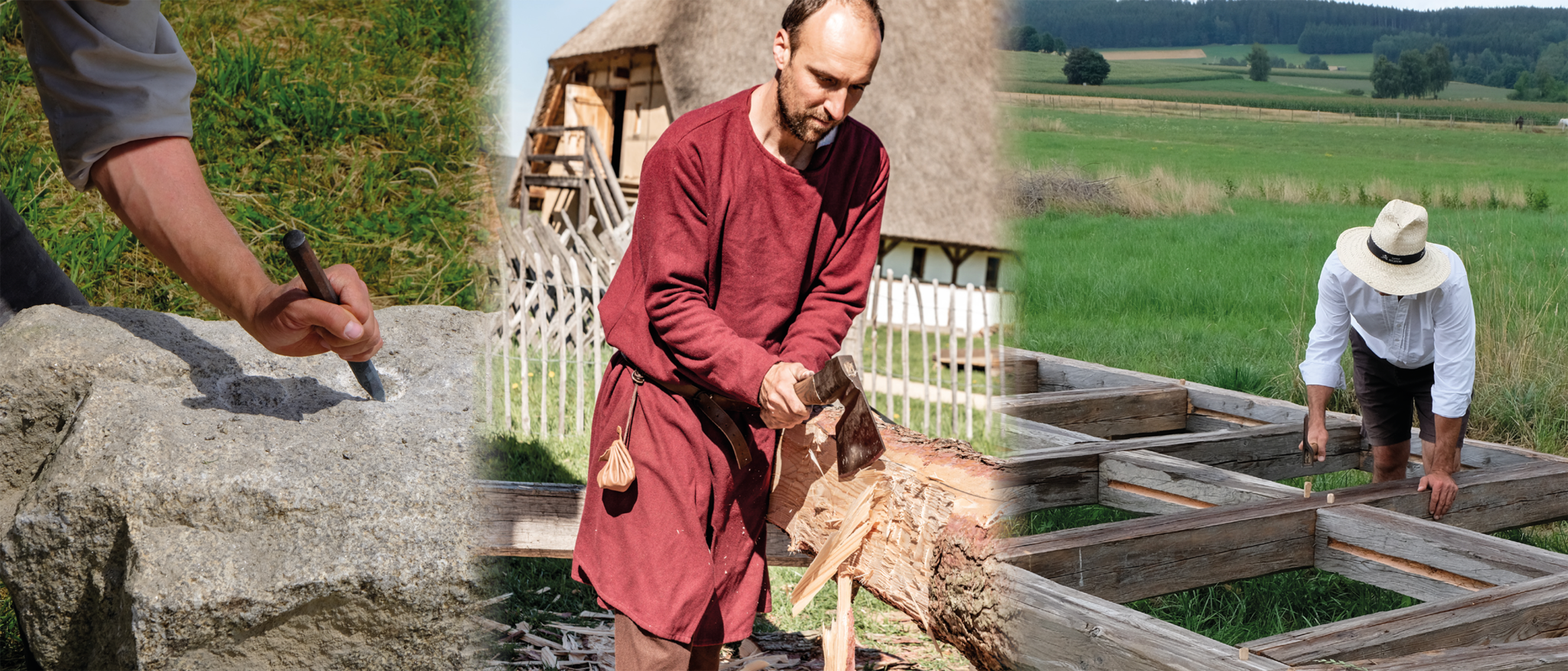
It is a living, hands-on museum that shows visitors an authentic picture of the Middle Ages in an entertaining way. There are many opportunities to get active yourself in events, courses and activities: Whether it’s archery, clay wall building or fence weaving, the past is within reach.
Don’t miss any news and deadlines: subscribe to our newsletter!